
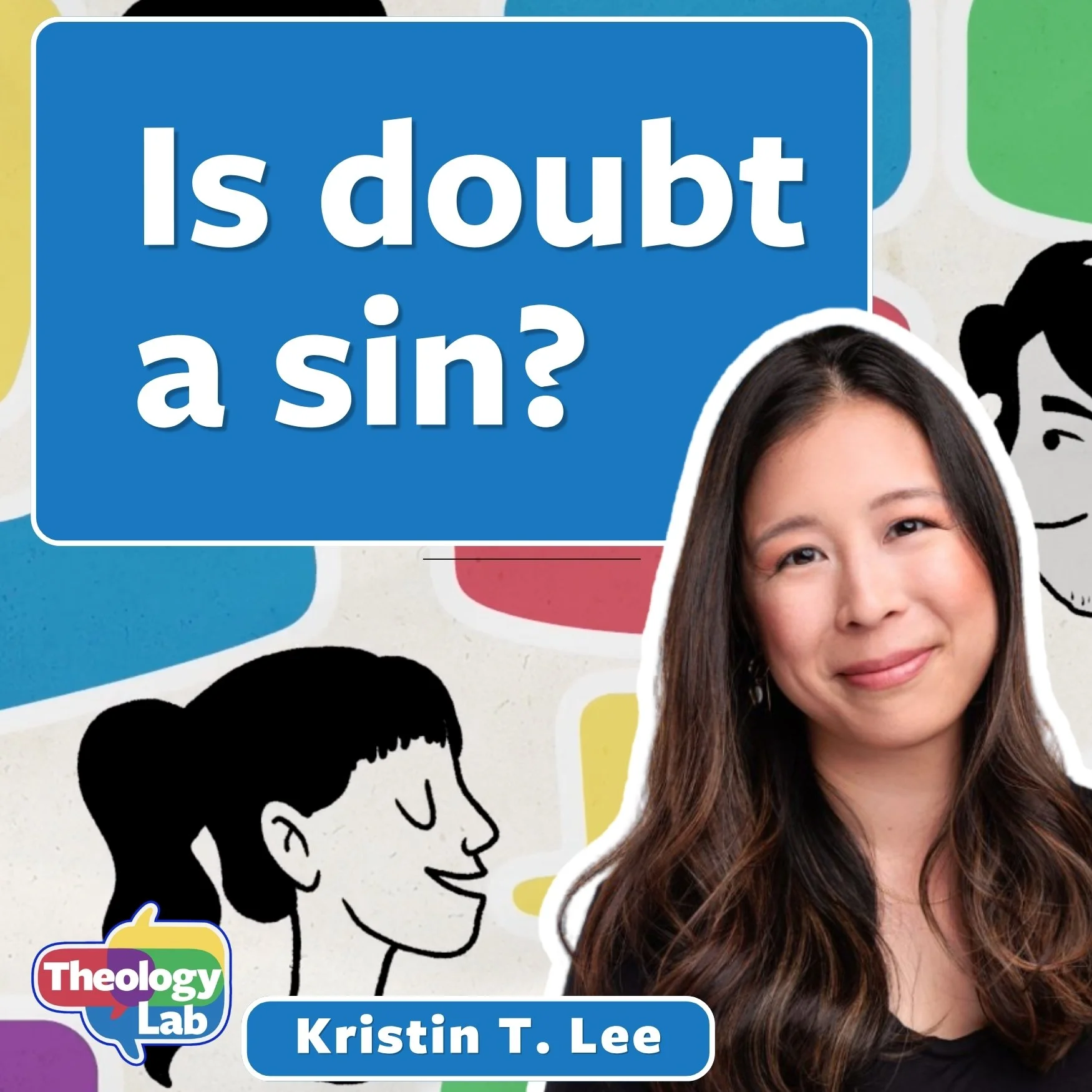
Is doubt a sin? Some reflections on what Christian faith and the Bible say about uncertainty and belief
Is doubt a sin? This Christian reflection explores what the Bible and Christian faith say about doubt, uncertainty, questions, and belief. Through biblical examples including Moses, Gideon, and Thomas, discover how doubt can become an opportunity for deeper faith rather than a spiritual failure. The article considers why Christians fear doubt, how churches can create welcoming spaces for honest questions, and what it means to bring uncertainty directly to God. Whether you are questioning God’s existence, struggling to trust God’s love, or navigating deconstruction and reconstruction, this reflection offers encouragement, biblical perspective, and hope for Christians seeking an authentic, resilient faith.
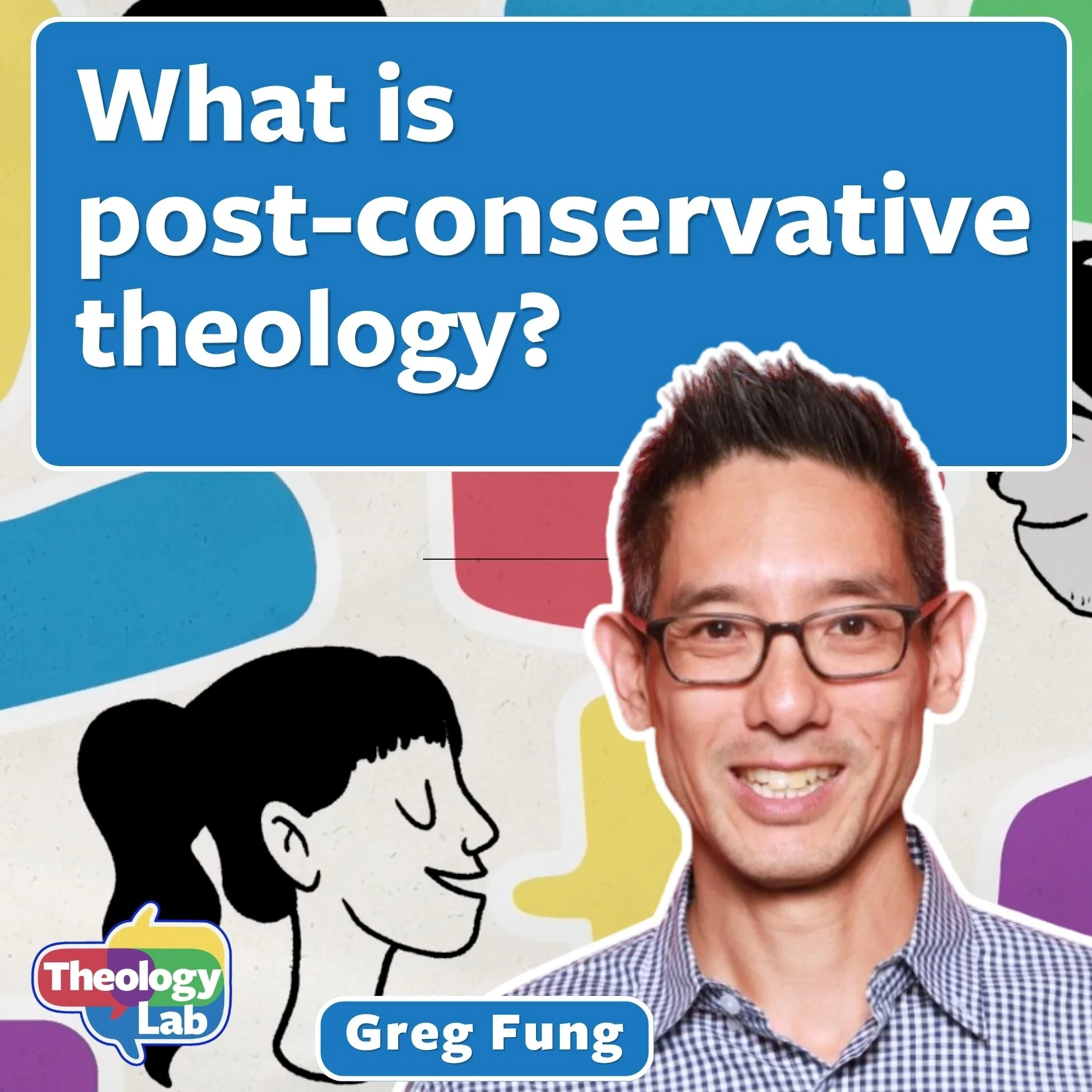
Is post-conservative theology the same as progressive Christianity? Exploring faith beyond simple answers
What is post-conservative theology, and how is it different from progressive Christianity? This article explores post-conservative evangelical theology, its emphasis on ongoing theological development, and its openness to reconsidering traditional beliefs while maintaining core Christian commitments. It examines how post-conservative Christianity compares with conservative evangelicalism and progressive Christianity, including questions of biblical authority, salvation, atonement, hell, and theological boundaries. The article also considers the relationship between faith deconstruction and reconstruction, asking whether post-conservative theology can help Christians “skip the line.” Ultimately, it argues that there is no shortcut: theology is a continuing process of reflection, change, community, and faith.
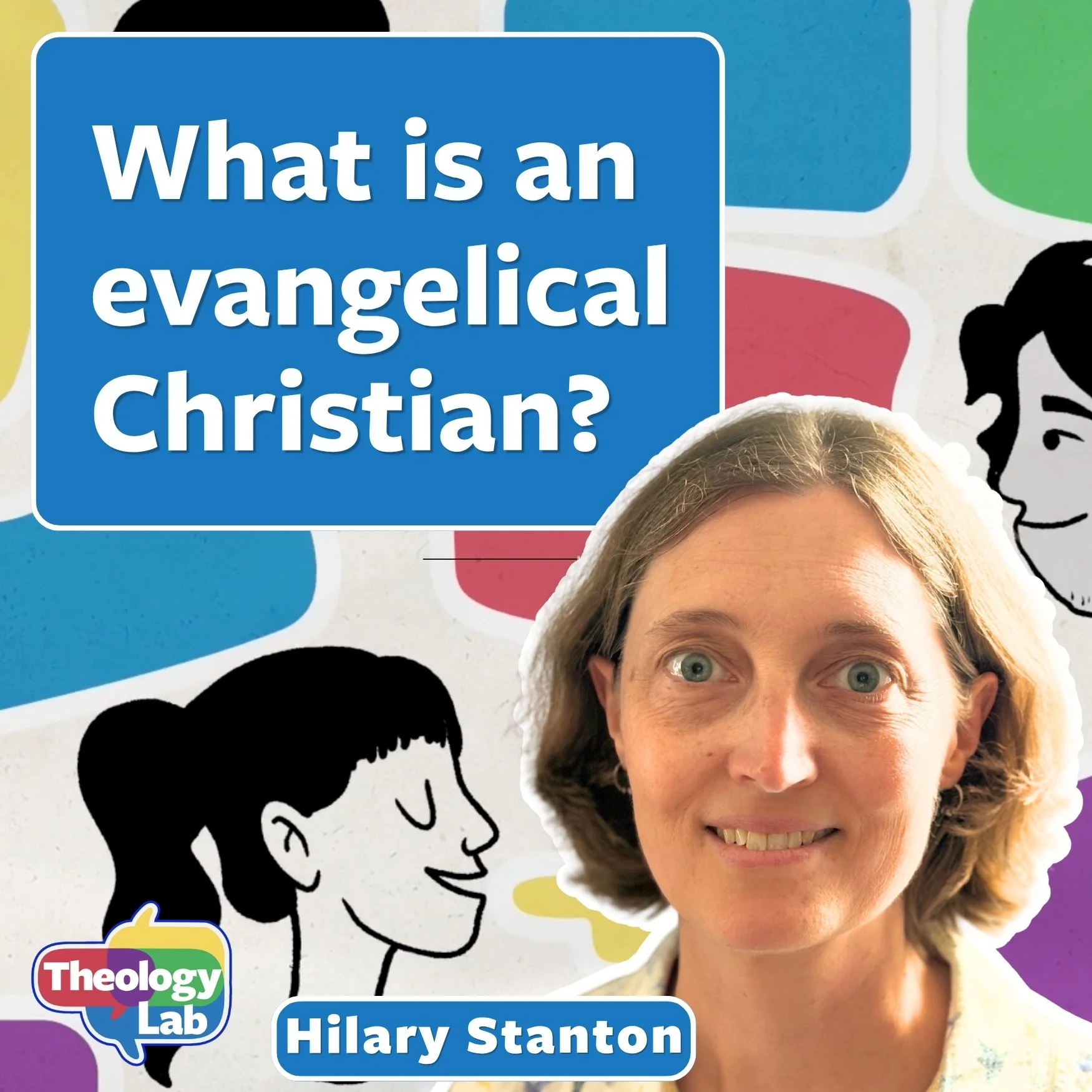
What is an Evangelical Christian? Am I an Evangelical Christian?
What does it mean to be an evangelical Christian? What’s the history of evangelicalism? What’s the meaning of evangelicalism?
Drawing from personal experience growing up in a mainline Protestant church before worshipping in evangelical churches, this post explores the history of the word evangelical, its changing cultural and political meanings, and its biblical roots in the "good news" of Jesus Christ. Rather than focusing on labels or denominational boundaries, it argues that authentic evangelical Christianity is expressed through curiosity, listening, service, and following Jesus' example. A thoughtful reflection on church history, faith, evangelism, and what it means to bring good news in today's world.
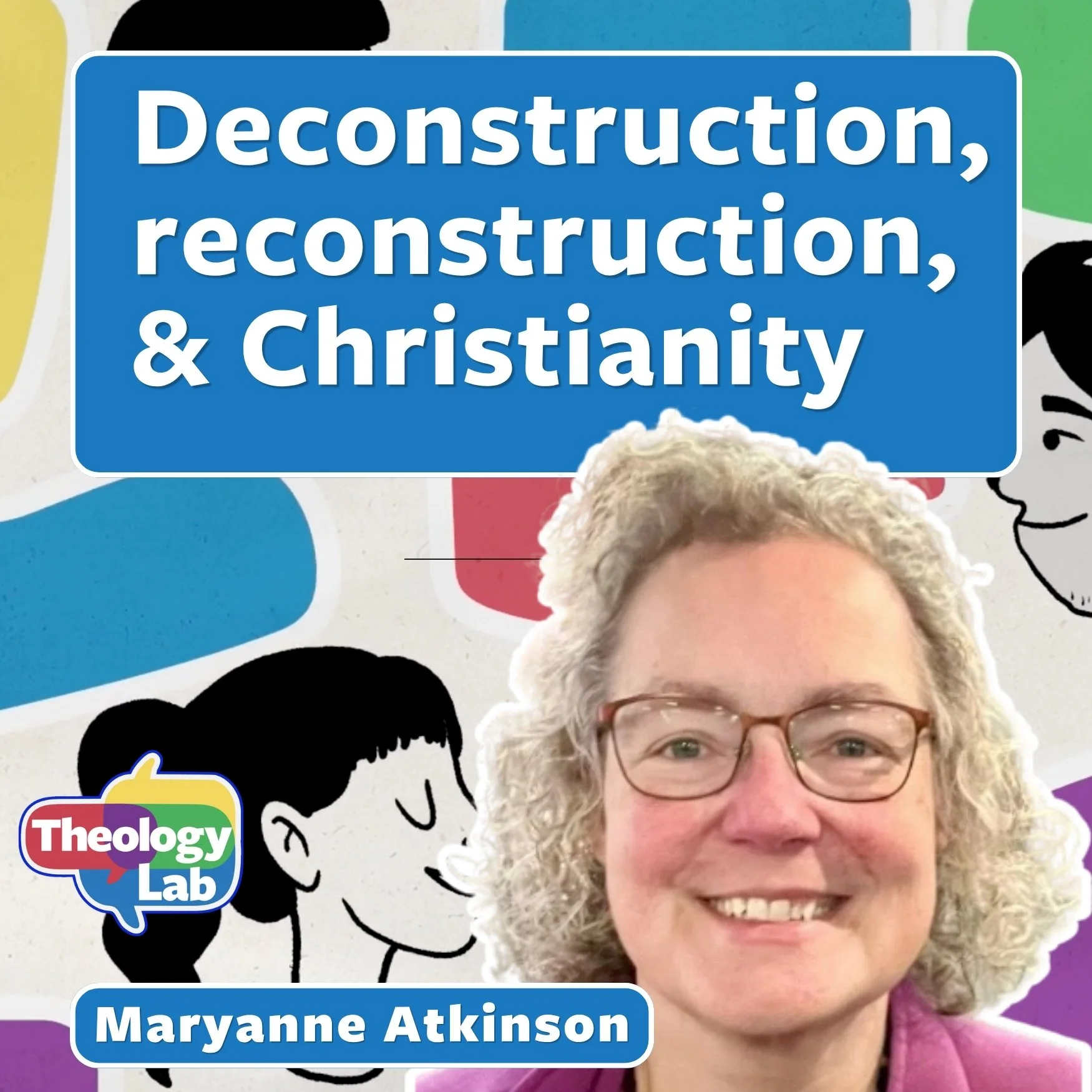
Deconstruction, reconstruction, and Christianity: Can faith survive difficult questions?
Can faith survive difficult questions? This post explores faith deconstruction and faith reconstruction through a personal Christian journey, examining how doubt, curiosity, and honest questions can lead to deeper faith rather than its loss. Drawing on insights from Pete Enns, Tim Keller, Barna Group research, and biblical stories such as Ruth and Naomi, it considers how Christians can navigate uncertainty while remaining rooted in Jesus. Whether you're questioning your beliefs, supporting someone who is, or seeking thoughtful Christian resources on faith deconstruction, this article offers hope, practical guidance, and encouragement for the journey.
What does ‘evangelical’ mean today? Some challenges, problems and opportunities for a changing Christian identity
This thoughtful exploration examines what it means to be evangelical in today's politically polarized culture. Blending personal experience with historical context, the article explores the relationship between evangelicalism, politics, church identity, and Christian faith. It discusses how the term "evangelical" has evolved, why some believers are leaving evangelical churches, what "post-evangelical" means, and how Christians can pursue unity without demanding uniformity. Whether you're wrestling with your own faith journey or seeking to better understand evangelical Christianity in America, this article offers a nuanced, hopeful perspective on theology, community, spiritual growth, and the future of the church.

What is faith deconstruction? Understanding doubt, change, and reconstructed faith
Faith deconstruction is the process of questioning inherited Christian beliefs while seeking a deeper, more authentic relationship with God. This article explores what faith deconstruction and faith reconstruction mean, why Christians experience doubt, and how curiosity, biblical scholarship, suffering, and spiritual integrity can reshape faith. Discover why deconstruction does not necessarily lead to leaving Christianity, how reconstructed faith can be stronger, and whether doubt can actually strengthen belief. If you're navigating questions about faith, theology, or Christian identity, this guide offers thoughtful, hope-filled insights into rebuilding a resilient and honest faith.
Announcing the Theology Lab Blog
This is the future home of Theology Lab’s blog. You can expect weekly posts about Theology Lab (and Beyond Simple Answers) topics, episodes, and current events. Some posts will offer commentary and perspective on one of our Theology Lab interviews or a Beyond Simple Answers conversation. Other posts will serve a two-fold purpose: these will be both “101-level” posts that look at a basic theological question of general interest, like how do (or might) we interpret the Bible, or how have Christians read the Bible in the past — or even, what is the Bible? — and then, in the same post, also reflect a “202-level” question like, how do (or might) we interpret conflicting stories or claims in the scriptures, or how might we re-apply the way a figure in Christian history, say Augustine or Julian of Norwich, read the Bible today? Hopefully, there will be something for everyone, or at least most folks who follow Theology Lab and are interested in working out a more curious and courageous everyday faith. The first blog posts will be coming soon — stay tuned!