Here’s what I’m reading: Medieval virtues and vices, the Trinity and Nicene Creed

I occasionally put out bit-sized posts on Theology Lab’s Substack page. I also put out parts of Theology Lab blog posts there, but you can always find the entirety of our blog posts here at theologylab.org. Here’s two posts I recently put out on two books that I’m reading (or actually, one that I’ve just finished reading and another that I’m working through more slowly — can you guess which is which?)
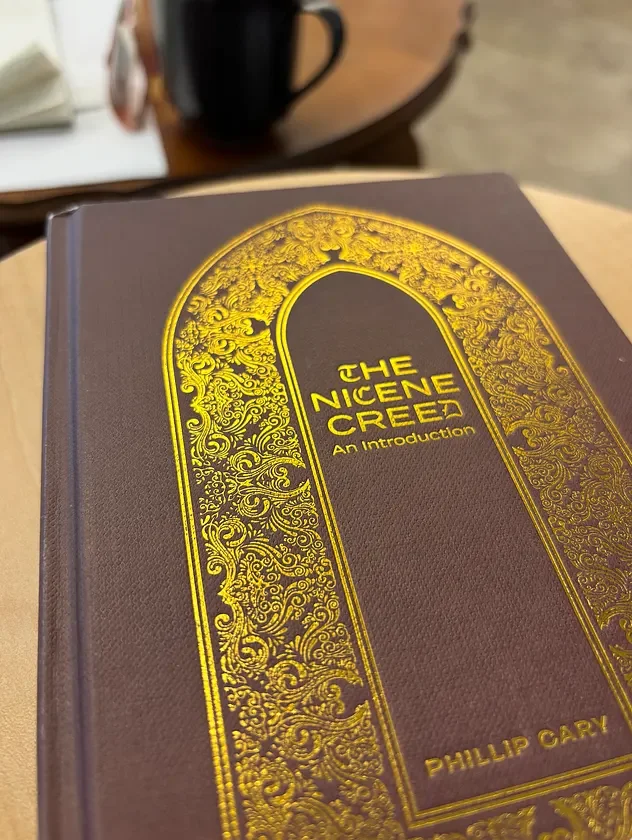
1. The Nicene Creed, an Introduction, by Phillip Cary
The Nicene Creed - Phillip Cary
This is the first book I’ve read by Phillip Cary. I’ve listened to his Great Courses lectures on the History of Christian Theology, which are a treat. I go back to them fairly often.
My favorite part of the book has to do with how Cary handles the importance of specific words and the design behind them. For example, when the creed moves from words and phrases, like “begotten, not made” to Jesus as the “one through whom all things came to be,” Cary shows how the historic confession is moving from precision to greater precision.
This leads to the creed’s central and marvelous assertion that Jesus Christ has “the same being as (God) the Father.”
If the previous statements left open alternative notions of how Jesus relates to God, or practically, why Christians are compelled to worship him as they do God the Father, this claim makes that crystal clear (and later on with the Spirit as well).
In this way the creed isn’t merely giving us a set of propositions to which believers give their consent. That matters, but this historic confession is also, like the Gospel narratives themselves, patiently guiding us towards the reason that Jesus is the object of our faith, the one we worship and who makes our relation with God possible.
It’s not out yet, but we have a Theology Lab episode on the Trinity with Kathryn Tanner coming out this fall. I mean, I’m the organizer of Theology Lab, so I get plenty of say this in this — but I’m hopeful for more on all things Trinity at Theology Lab soon!
2. Ask of Old Paths: Medieval Virtues and Vices for a Whole and Holy Life, by Grace Hamman
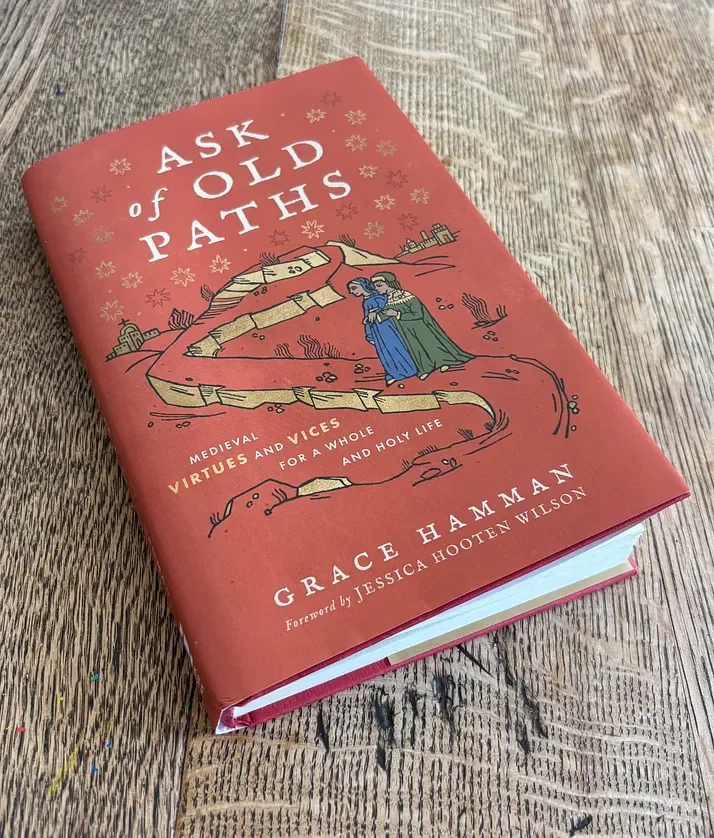
Grace Hamman’s Ask of Old Paths is a gem! Grace is a talented writer who is able to bring folks, like me, who are not well acquainted with the medieval Christian world into that context in a meaningful way, especially for reflecting on the meaning of virtues and vices today.
She pairs seven essential virtues with vices, showing how a virtue like meekness serves, by the care of God’s grace, as medicine for a vice like wrath. Some of the virtues carry meanings from the medieval contexts that surprise. I, like I bet many of us do, think about meekness in terms of timidity and weakness. Medievals didn’t. Meekness conveyed something more like a honed ability to face resistance, to handle anger, without being “vexed,” or at least not to the point where what vexes us takes control over our actions. In this way, meekness is exactly what is needed to use anger for the right purposes.
If you’re interested in exploring the virtues, we did a Theology Lab video podcast on reading the Bible and the virtue of humility with Dr. Dennis Edwards not long ago.
Are you reading or listening to anything interesting right now? If so, drop a note in the comments.
Theology Lab episodes:
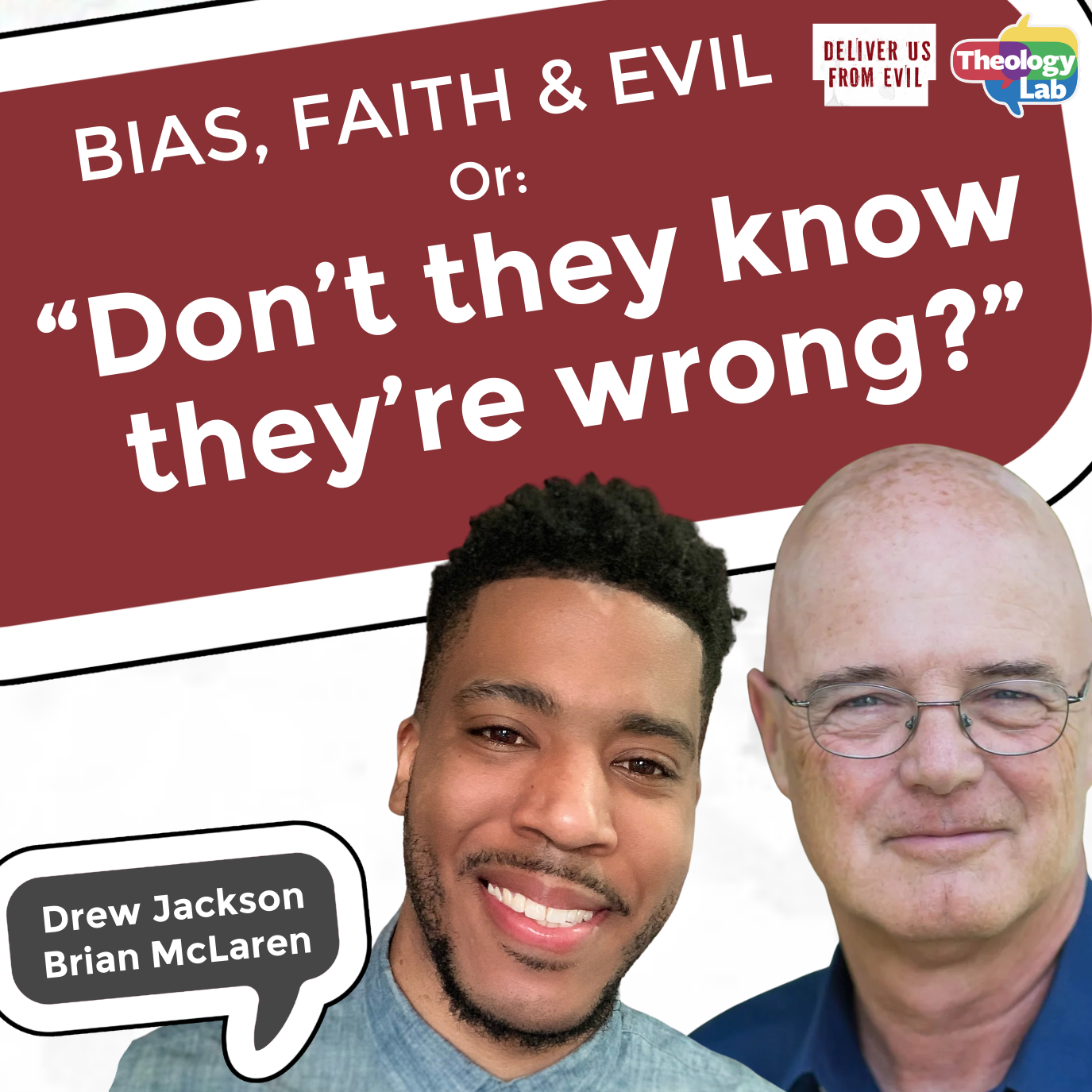
Brian McLaren and Drew Jackson take us into their deliberations on discerning and resisting the power of evil. Check out the episode page here.

Biblical scholar Karen Keen shares how we got the Bible, and how that can help us interpret it! Check out the episode page here.