
Theology Lab Podcast Episodes
Welcome to the Theology Lab podcast archive, where each episode invites you into honest conversations about faith, theology and questions that animate a curious, courageous kind of faith. Browse recent episodes below, including resources from guests and episode transcripts.

Why We Changed Our Minds: Women In Ministry
In this Theology Lab conversation, Kristin and Scott explore a deeply personal theological shift—from complementarianism to egalitarianism—and how their views on women in church leadership changed over time. Once believing that men and women held distinct roles in the church, they now affirm that leadership and pastoral calling are not limited by gender. Their discussion reflects on how biblical interpretation, personal experience, and theological reflection shaped this transformation. Drawing on an interview with Beth Allison Barr and insights from her book Becoming the Pastor’s Wife, the episode examines how Christians wrestle with Scripture, tradition, and the evolving conversation about women in ministry.
Munther Isaac and Mary Speta on War, Human Trafficking and Loving One’s Enemy
In this Theology Lab we explore a powerful educational conversation on Christian ethics, peacemaking, and compassion in this Theology Lab session featuring Rev. Munther Isaac—known for his influential sermon “Christ in the Rubble”—and Mary Speta, Executive Director of Amirah. Together, they offer thoughtful theological reflection on some of today’s most challenging global issues: war, human trafficking, trauma, and the radical call to love one’s enemy. Designed for learners, students, and anyone seeking to deepen their understanding of Christian moral discernment, this Theology Lab session (part of the Deliver Us From Evil series) provides a rich foundation for use in learning / the classroom, small-group formation, and personal reflection. Rev. Munther Isaac brings pastoral insight shaped by conflict and suffering, while Mary Speta offers an expert, survivor-informed perspective on exploitation and restorative justice. Key learning themes include: Christian approaches to understanding war, violence, and human suffering How faith communities can respond to human trafficking with wisdom and compassion The call to love one’s enemy and its implications for discipleship, as well as reflecting on how to deal with anger
They’ve Been Preaching All Along - Women Leading in the Church, with Beth Allison Barr
In this compelling conversation, Beth Allison Barr reframes the debate over women in ministry by exposing the tension between biblical narratives and historical realities. Drawing on church history, scripture, and modern evangelical practice, she argues that the role of the pastor’s wife often masks a deeper issue: women are given significant responsibility but denied real authority. By highlighting overlooked biblical figures and challenging assumptions about tradition, Barr reveals how power structures shape theology. Her insights call readers to engage scripture more honestly, confront harmful patterns within church leadership, and reconsider what faithful, equitable ministry can look like in today’s world.
How We Debate Atonement Theology Is A Mess: with Brad East
In this Theology Lab conversation, Brad East explores why debates over penal substitutionary atonement (PSA) have become so divisive in modern Christianity. While PSA remains a widely taught explanation of how Jesus saves through his death and resurrection, critics argue it distorts God’s character, portraying divine justice as wrathful or even abusive. East pushes beyond simplistic arguments, urging Christians to engage the topic more charitably and thoughtfully. Rather than declaring winners, he reframes the discussion as a theological and pastoral challenge—one that calls for humility, historical awareness, and a broader appreciation of how Scripture describes salvation in multiple, complementary ways.
Willie Jennings and Janette Ok: Evil is Real. But Can We Name It?
In this Theology Lab video, Willie Jennings (Yale Divinity School) and Janette Ok (Fuller Seminary) explore the Christian understanding of evil and how the Bible shapes this perspective. The discussion examines how Scripture—from the Gospels, Acts, and the letters of John—defines evil and informs the church’s response. Topics include Christian Nationalism, hate, the anti-Christ, and the meaning of Jesus’s prayer, “deliver us from evil,” in today’s context. Jennings and Ok offer insight into recognizing evil in the world and in ourselves, providing a rich exploration of Christian ethics, biblical theology, and moral discernment for modern believers.

Family Dynamics, Gun Ownership, and More: Kellie Carter Jackson and Edward Jackson
In this candid and deeply human conversation, a sister and brother-in-law explore what it means to navigate faith, family, and political issues without losing love. From debates about patriarchy and gender roles to evolving perspectives on gun ownership, their dialogue reveals how conflict, when handled with grace, can deepen relationships rather than fracture them. Rooted in a shared commitment to Christ, they demonstrate that disagreement doesn’t have to mean division. Instead, through honest communication, humility, and intentional engagement, families can build stronger bonds—even when they see the world very differently. This is a powerful example of faith lived out in real time.
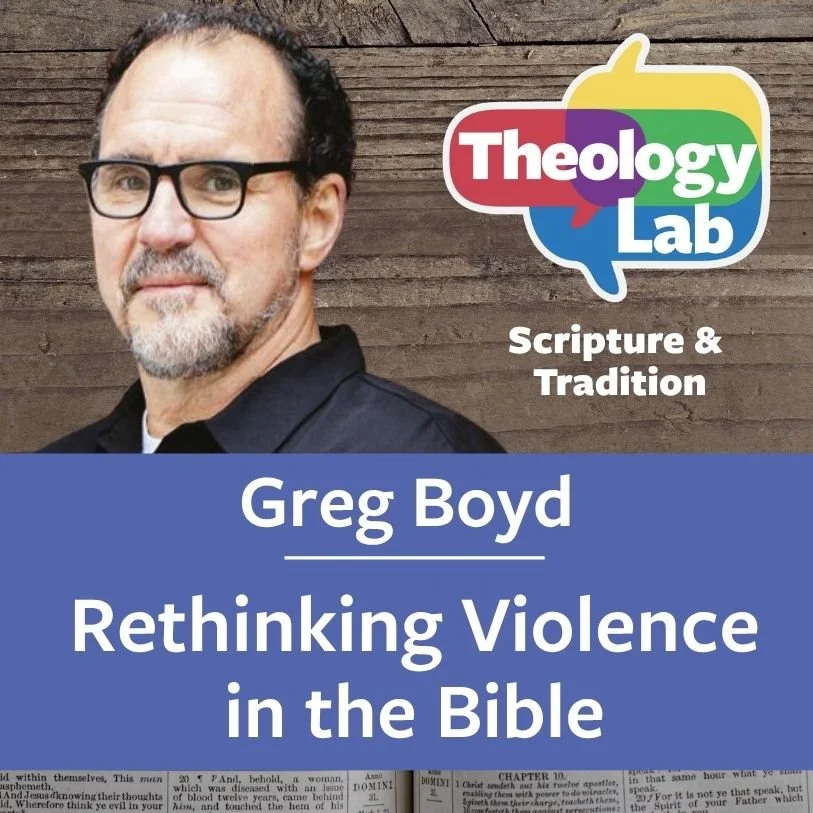
Greg Boyd - How to Reflect on Scripture Passages on Violence (a Jesus Centered Proposal)
In this Theology Lab conversation, Scott interviews Greg Boyd about one of the most difficult issues in Christian faith: violence in the Bible. Boyd challenges traditional views of biblical authority and argues that Scripture must be read through the lens of Jesus Christ and the cross. Rather than defending biblical inerrancy, he suggests that troubling passages reveal a God who “stoops” to human limitations. By interpreting even violent texts through the crucifixion, Boyd presents a transformative framework that preserves faith while honestly confronting Scripture’s most disturbing narratives for modern readers seeking deeper theological understanding today.

Shane Claiborne: Christians and Conflict - War, Political Issues, Social Media
Following Jesus can feel complicated when political choices fall short of Christian values. Shane Claiborne reflects on navigating those tensions with grace, shaped by his own journey from supporting war and the death penalty to embracing nonviolence and justice. He challenges believers to refocus on the teachings of Jesus, especially care for the poor, immigrants, and marginalized. Addressing social media, he encourages dialogue over division and reminds Christians that virtual spaces cannot replace real community. Above all, Claiborne urges a faith rooted in love rather than fear, where unity is grounded in diversity, humility, and a shared commitment to justice.

Abortion: 2 Views, A conversation on the Bible, Policy, and Christian Community
This Theology Lab conversation explores the complex Christian perspectives on abortion, featuring a nuanced dialogue between pro-life and pro-choice voices. Addressing biblical interpretation, church history, and modern policy debates, the discussion highlights key scriptures like Psalm 139 and Exodus 21 while examining how theology, science, and ethics intersect. The speakers challenge binary labels, emphasizing curiosity, compassion, and practical solutions such as poverty reduction and healthcare access to lower abortion rates. Ideal for those seeking thoughtful Christian discourse on abortion, this discussion offers a balanced, in-depth look at faith, politics, and social justice in today’s cultural landscape.

Gay and Christian: 2 Views
This Theology Lab video explores what it means to be both gay and Christian through two thoughtful and respectful perspectives. Featuring authors and faith leaders Sally Gary and Gregory Coles, the conversation engages questions of LGBTQ+ identity, biblical interpretation, and Christian community. It invites viewers into a deeper understanding of friendship and church across differences, offering a space for honest reflection. Ideal for those curious about theology, faith, and sexuality, this dialogue models compassion, intellectual depth, and grace. It is especially meaningful for anyone seeking a more nuanced, faithful approach to navigating identity and Scripture within the life of the church today.

How Did We Get the Bible? with Karen Keen
This insightful interview with Karen Keen, author of The Word of a Humble God (Eerdmans, 2022), explores biblical interpretation, scriptural engagement, and challenging passages on war and violence in the Bible. Keen presents divine humility as a transformative lens for reading Scripture, helping readers better understand God’s character and message. Her work is widely recognized as a leading introduction to the Bible and methods of scriptural interpretation. Discover how approaching Scripture through humility can renew your faith, deepen theological understanding, and inspire compassionate love for neighbors while engaging difficult biblical texts with clarity and wisdom.

Stanley Hauerwas & Jonathan Tran: Is Christian Faith Political?
How should Christians engage politics without losing their witness? In this thought-provoking conversation, theologians Stanley Hauerwas and Jonathan Tran challenge modern assumptions about faith, democracy, Christian nationalism, voting, and the role of the church in public life. Is politics only about elections, parties, and power, or is the church itself a political community shaped by baptism, truth-telling, and trust? Can Christians remain faithful while navigating polarization, abortion debates, racial injustice, and American history? Why does nonviolence matter in civic life? This discussion explores whether the church offers a radically different vision of politics rooted in Jesus Christ today.
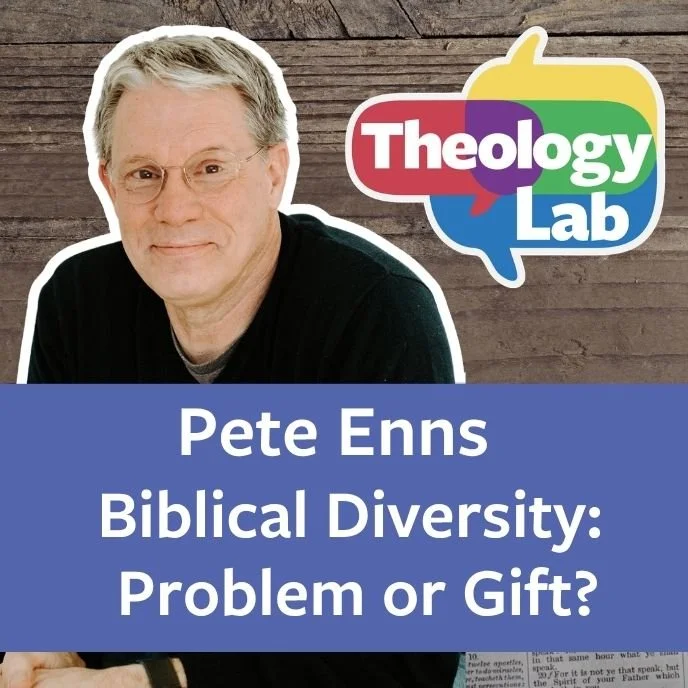
Pete Enns: The Bible’s Diversity - Problem or Gift?
Pete Enns reflects on how deeper study of Scripture transformed his faith, challenging assumptions about biblical authority and interpretation. Drawing from The Bible Tells Me So and his academic journey, he explains how the Bible’s diversity and historical context reveal a richer, more complex story. Rather than offering simple answers, Scripture invites readers into ongoing dialogue and discernment. Enns encourages embracing doubt as part of faith, viewing the Bible as a means of grace that shapes understanding through wrestling, questioning, and community rather than rigid certainty or simplistic interpretations.
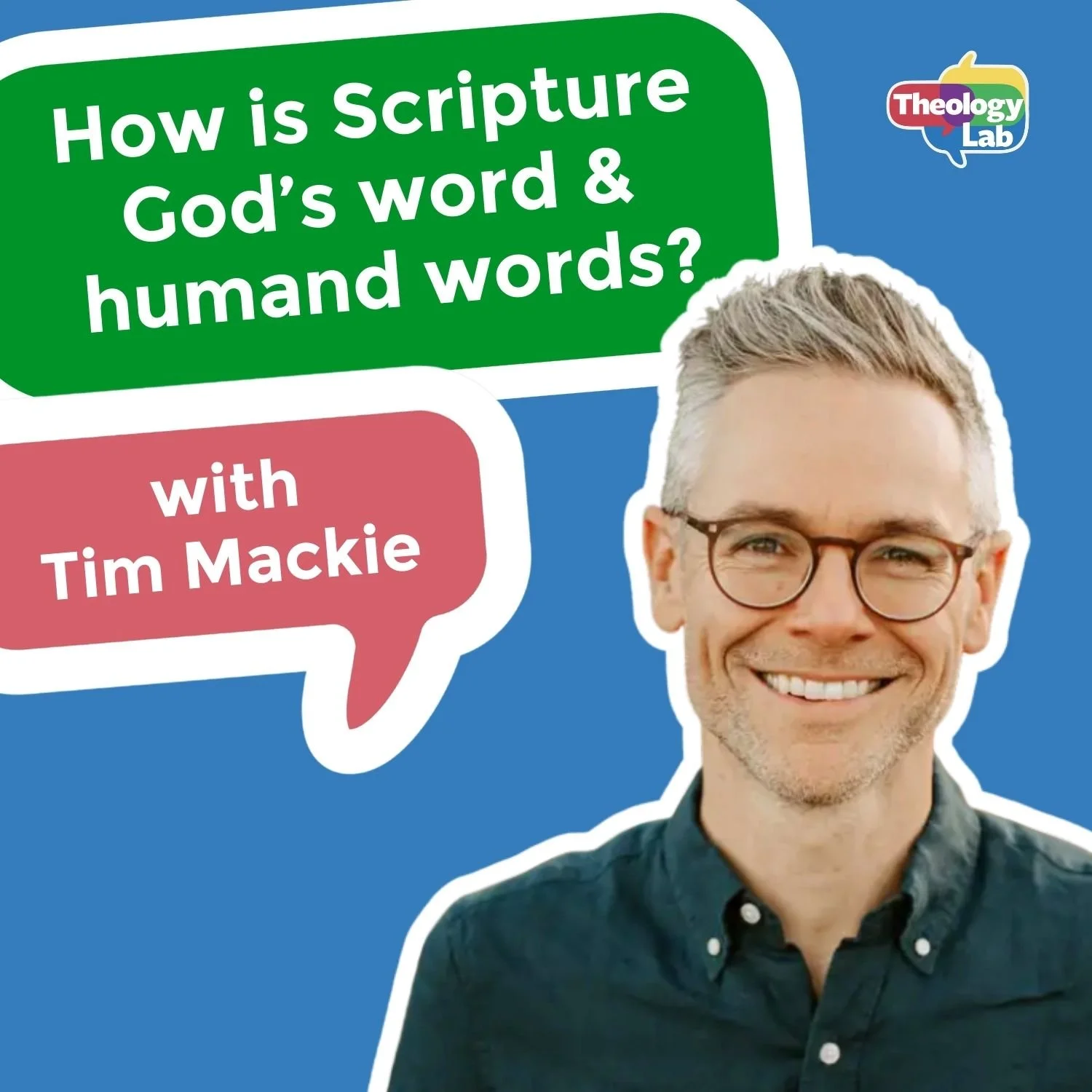
Tim Mackie (BibleProject): How is the Bible God’s word and human words?
Explore transformative biblical interpretation on Theology Lab with Tim Mackie, co‑founder of the BibleProject, as he unpacks how the Bible can be both God’s word and human words in this Scripture & Tradition episode. Recorded January 16, 2024, Mackie joins moderator Scott Rice to discuss the unified story of Scripture, clarify how divine inspiration and human authorship coexist, and highlight interpretive tools from the BibleProject’s Paradigm podcast series. This deep, accessible theological conversation equips listeners to read the Bible with renewed curiosity, contextual insight, and lifelong faith formation.
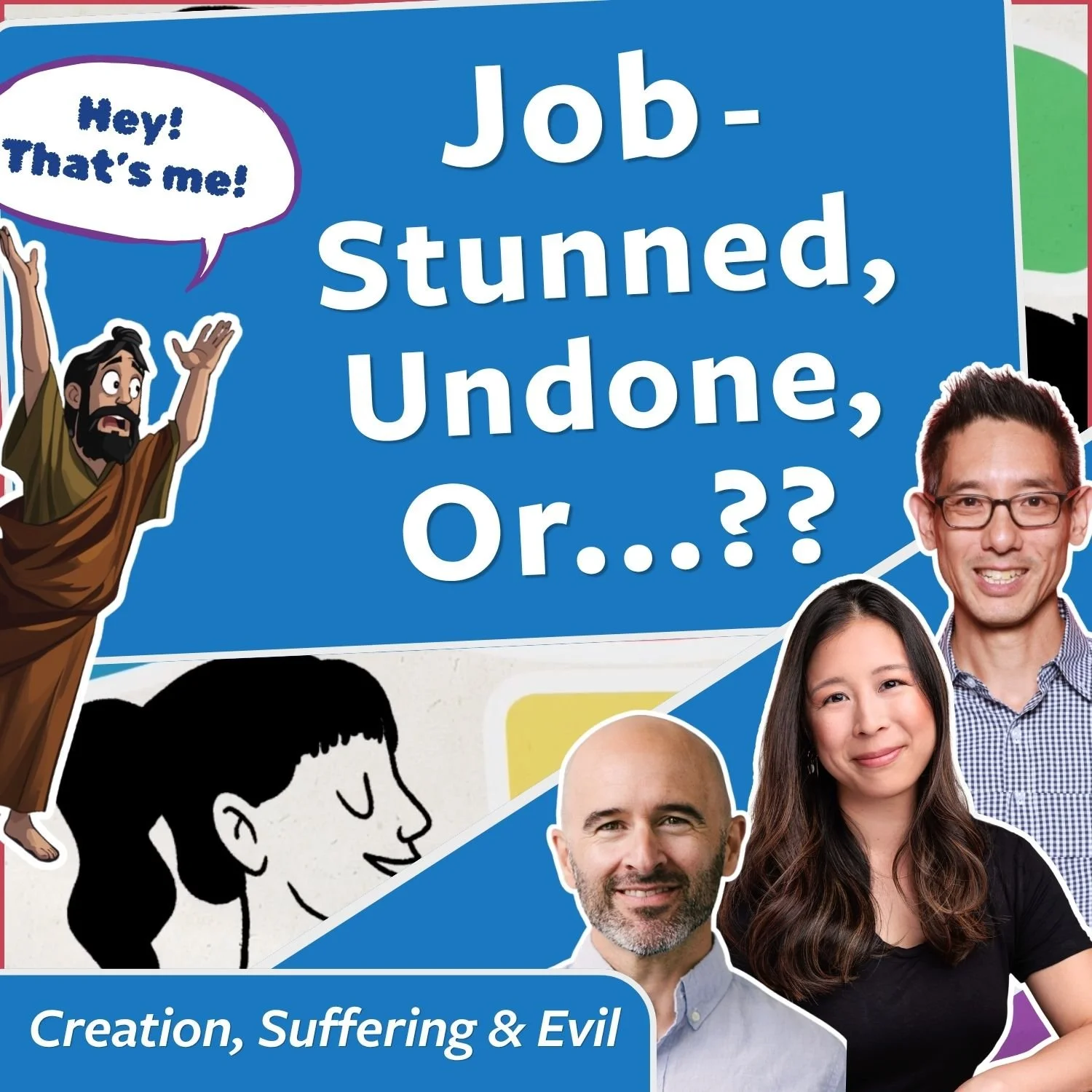
Kristin Kobes Du Mez and Walter Kim: A Conversation on Masculinity and the Evangelical Church
In this Theology Lab conversation, Kristin Kobes Du Mez and Walter Kim explore evangelicalism, masculinity, and Christian identity, focusing on the American church. Drawing from Jesus and John Wayne, they discuss how rugged masculinity, power, and nationalism have often overshadowed the gentleness, compassion, and courage of Christ. Kim reflects on the many “rooms” within evangelicalism—some hospitable, some hostile—while Du Mez challenges rigid gender binaries and calls believers back to deeper theological reflection. Together, they model respectful disagreement, historical honesty, and hopeful dialogue. This discussion asks: What have Christians traded for power, and what might faithful witness look like now?

Russell Moore: Becoming Aware of Christian Nationalism
In the November 11, 2022 session of the American Evangelicalism Theology Lab, Rev. Dr. Russell Moore of Christianity Today joined Rev. Dr. Walter Kim, president of the National Association of Evangelicals, for a candid conversation on faith and public life. Moore reflected on his personal journey navigating political engagement as a Christian leader, warning of the growing influence of Christian nationalism and its challenge to gospel integrity. He urged believers to pursue faithfulness over partisanship, even at cultural cost. Addressing evangelicalism’s present crisis, Moore expressed hope for renewal through repentance, courageous witness, and the formation of principled, gospel-centered movements.
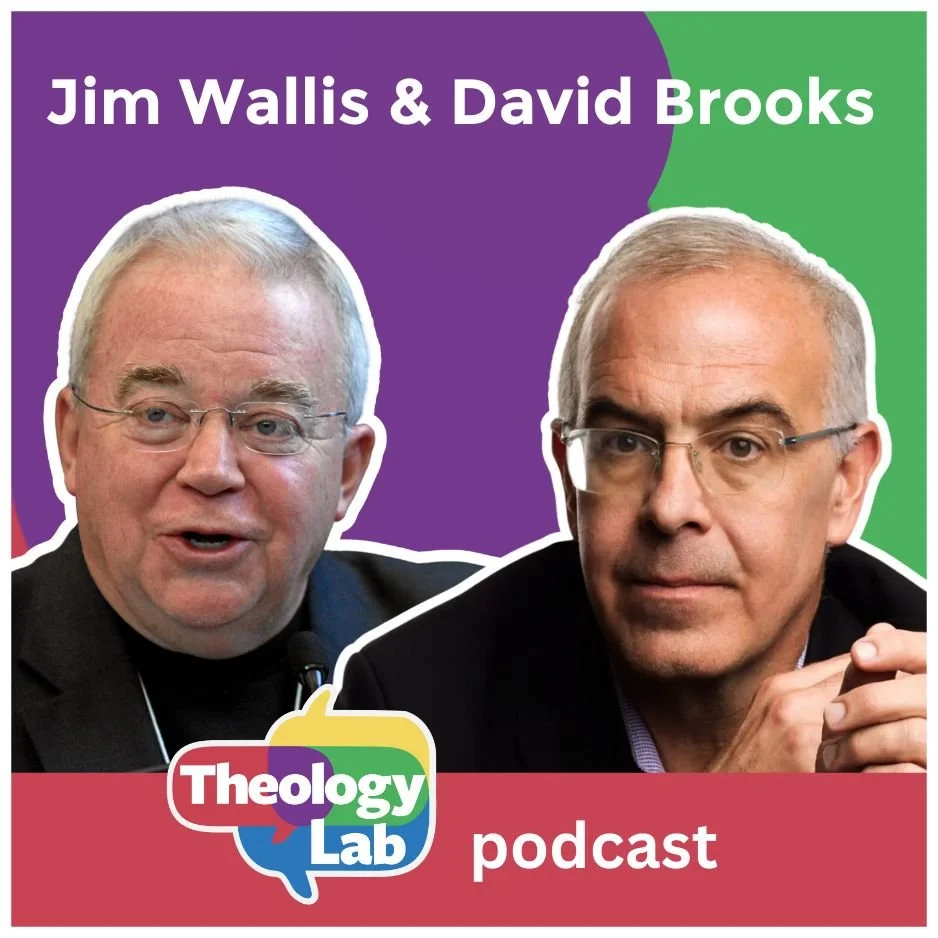
David Brooks and Jim Wallis: 2 views on Evangelicalism and Politics
Recorded during the Winter/Spring 2022 American Evangelicalism Theology Lab session, this conversation features prominent public thinkers David Brooks and Jim Wallis discussing the intersection of faith, politics, and evangelical identity. Both leaders reflect on their relationship to evangelicalism and explore how Christians can thoughtfully engage political life. The discussion highlights the role of Scripture, community formation, and the pursuit of justice in shaping faithful public witness. Brooks and Wallis consider how believers can navigate political differences while remaining rooted in Christian values. This dialogue offers insight for anyone interested in evangelical theology, faith in public life, and the ongoing conversation between religion, politics, and community.
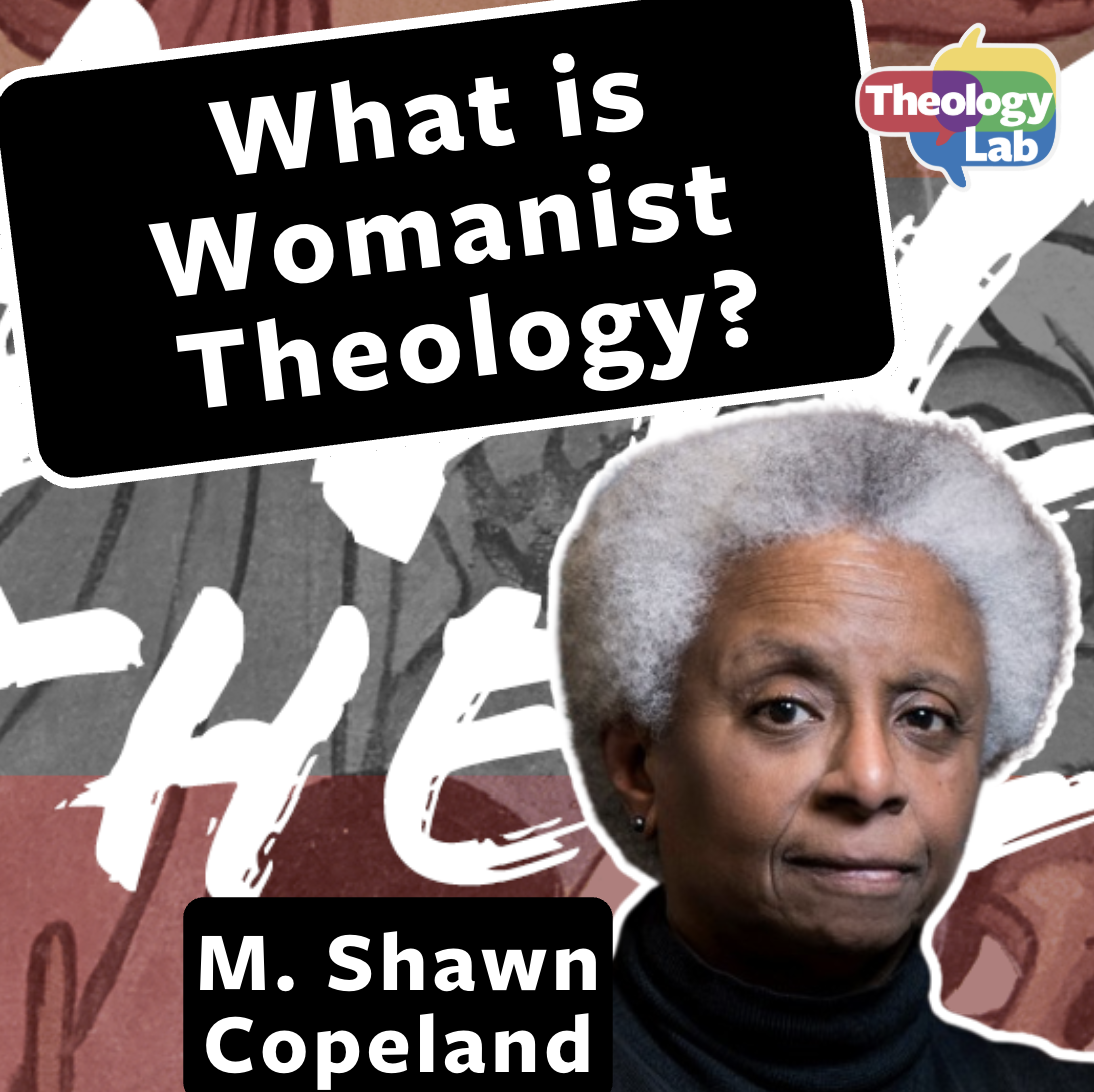
What Is Womanist Theology: Dr. M. Shawn Copeland
This Theology Lab episode explores womanist theology, a transformative approach to Christian faith that centers the experiences and voices of Black women. The conversation highlights how womanist theology addresses issues of race, gender, justice, and biblical interpretation, offering a richer and more inclusive understanding of Scripture. Rooted in lived experience and shaped by the pursuit of liberation, this episode invites listeners to reconsider traditional theology and engage faith through a lens of equity and resilience. Ideal for students, church leaders, and curious believers, it provides a thoughtful introduction to womanist perspectives in modern Christianity.

African Americans and the Bible: Dr. M. Shawn Copeland
This powerful talk explores the historical relationship between African Americans and the Bible, tracing its roots from early European encounters in Africa to the lived experiences of enslaved people in the Americas. It reveals how the Bible was used to justify slavery and racial hierarchy, yet reclaimed by enslaved Africans as a source of hope, resistance, and identity. Despite being denied literacy, they transformed scripture into a dynamic oral tradition through memory, storytelling, and song. This presentation highlights the enduring legacy of African American biblical interpretation and its ongoing role in shaping faith, liberation theology, and cultural resilience.